In Summary Modern oncology creates the conditions for recovery, but the healing itself — immune surveillance, tissue repair, metabolic restoration — is carried out by the patient’s own body, which is why protecting that capacity matters as much as treating the tumor. “Coexistence over conquest” is a reframe that complements conventional oncology. It explicitly does […]
Cancer Cachexia: Why Wasting Kills — and What the Nutritional Model Misses
In Summary Cancer cachexia is implicated in roughly 20–30% of cancer deaths — not the tumor itself, but the systemic metabolic collapse the tumor drives — making it one of the most underaddressed contributors to cancer mortality. Cachexia is not starvation and cannot be reversed by aggressive nutritional support alone; it is an active catabolic […]
Sleep, DNA Repair, and Cancer Risk: The Nocturnal Window Most Patients Miss
In Summary DNA repair is not a passive process — it is an active, energy-intensive cellular function tightly coupled to the circadian cycle, with much of the most critical repair occurring during slow-wave sleep. Chronic sleep deprivation does not merely impair cognitive function; it directly compromises the DNA repair window that determines whether the day’s […]
The Molecular Cascade of Cancer: Initiation, Promotion, and Where Prevention Actually Works
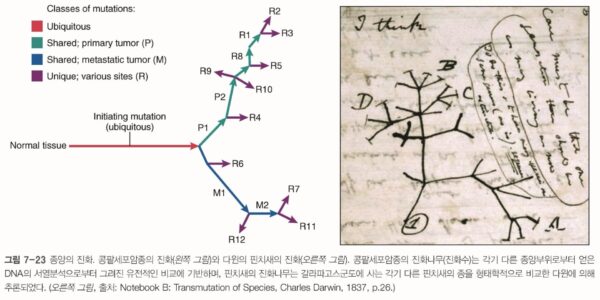
In Summary Carcinogenesis requires non-lethal genetic damage — mutations severe enough to alter cellular behavior but insufficient to trigger immediate apoptosis — making the cell’s survival machinery the central target of the process. The three-stage model of initiation, promotion, and progression describes not three discrete events but three distinct phases of relationship between the mutated […]
Tumor vs. Cancer: What the Biological Distinction Actually Means
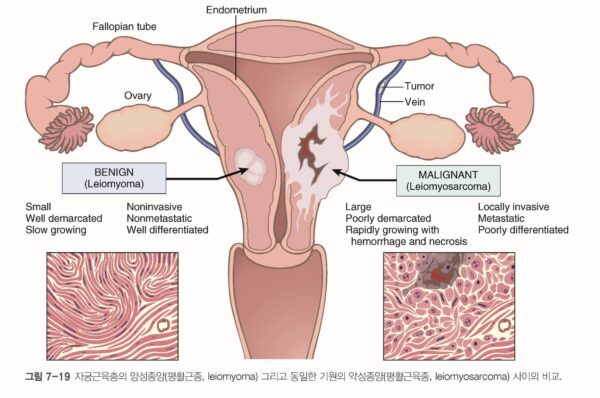
In Summary A tumor is any abnormal mass of tissue formed by excessive cell proliferation; the word “cancer” refers specifically to malignant tumors that have acquired the capacity to invade adjacent tissue and metastasize. The critical biological distinction between benign and malignant tumors is not growth rate or size — it is the cellular loss […]
How Lifestyle Creates the Conditions for Cancer: A Pathologist’s Perspective
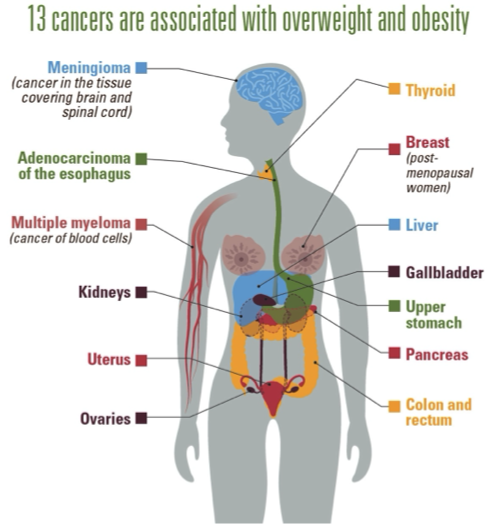
In Summary Most cancers that develop in the sixth decade and beyond are not primarily genetic events — they are the cumulative result of decades of lifestyle-induced metabolic dysregulation that progressively compromises the body’s surveillance mechanisms. Chronic psychological stress is carcinogenic not through a single direct mechanism but through the sustained hormonal environment it creates, […]