In Summary
- Most cancers that develop in the sixth decade and beyond are not primarily genetic events — they are the cumulative result of decades of lifestyle-induced metabolic dysregulation that progressively compromises the body’s surveillance mechanisms.
- Chronic psychological stress is carcinogenic not through a single direct mechanism but through the sustained hormonal environment it creates, which simultaneously increases mutation rate and suppresses apoptotic clearance.
- Korean medicine identified the clinical profile of cancer predisposition — stagnation of Qi and Blood, accumulation of Phlegm-Damp, and constitutional depletion — centuries before the molecular mechanisms were understood.
- Prevention is not about avoiding cancer-causing agents but about maintaining the metabolic and immunological conditions under which early malignant cells are reliably identified and eliminated.
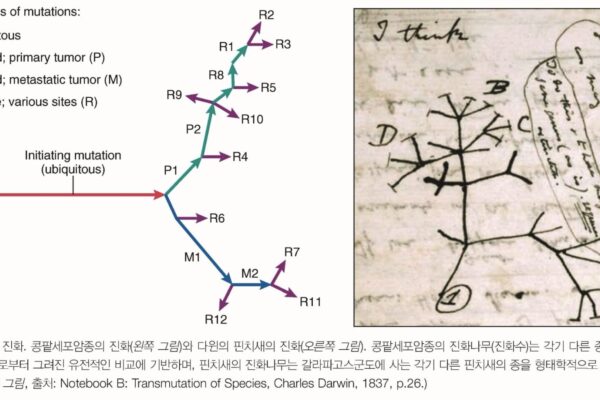
I teach oncology pathology, which means I spend a considerable amount of professional time with the question of how cancer begins. The molecular biology is now understood in considerable detail — the specific mutations in proto-oncogenes and tumor suppressor genes, the stepwise accumulation of genetic damage, the mechanisms by which cells escape apoptotic control and acquire the capacity for unlimited replication. What is less often taught, because it sits at the edge of what mechanistic biology can comfortably address, is why these events accelerate so dramatically in some individuals and not others under apparently similar genetic conditions.
The answer is metabolic environment. And the metabolic environment is largely a product of lifestyle.
The Surveillance Failure Model of Cancer
A more clinically useful way to think about cancer prevention than the “avoid carcinogens” model is the surveillance failure model. The human body generates thousands of cells with potentially malignant mutations every day. Under normal physiological conditions, the vast majority of these cells are identified and eliminated through apoptosis — programmed cell death — and through immunological surveillance involving natural killer cells and cytotoxic T-lymphocytes. Cancer does not emerge when mutations occur. Cancer emerges when the surveillance mechanisms that normally clear them are sufficiently compromised to allow a mutated cell line to establish itself and proliferate.
This reframe has important practical implications. The question is not only “how do I reduce my mutation rate?” but equally “how do I maintain the body’s capacity to eliminate mutations as they arise?” These are related but distinct questions, and the second one is rarely addressed in conventional cancer prevention discussions.
How Chronic Stress Compromises Surveillance
The relationship between psychological stress and cancer risk is real but frequently mischaracterized. Stress does not cause cancer directly. What chronic stress does is create a sustained hormonal environment — primarily through elevated cortisol and dysregulated sympathetic activation — that simultaneously operates on both sides of the equation: it increases the rate at which cellular damage accumulates, and it suppresses the immune mechanisms responsible for clearing that damage.
Chronically elevated cortisol has multiple pro-carcinogenic effects at the cellular level. It suppresses natural killer cell activity — a direct impairment of immunological cancer surveillance. It promotes a chronic low-grade inflammatory environment that accelerates genomic instability in at-risk tissues. It disrupts circadian rhythm, which is tightly coupled to the timing of DNA repair mechanisms; cells with DNA damage that is repaired at the wrong phase of the cycle have significantly higher rates of permanent mutation. And it promotes the metabolic syndrome phenotype — hyperinsulinemia, elevated IGF-1, central adiposity — which creates a hormonal milieu that actively promotes cellular proliferation.
None of this is speculative. The mechanisms are established in the oncological literature. What remains underdiscussed is that this entire cascade is largely preventable — not by pharmaceutical intervention, but by lifestyle modification that addresses the underlying stress physiology.
The Korean Medicine Perspective: What “Stagnation” Means Pathologically
Korean medicine and its Chinese antecedents developed a clinical vocabulary for cancer predisposition that long predates the molecular era. The classical description involves the accumulation of pathological products — Qi stagnation, Blood stasis, Phlegm-Damp — that progressively congests specific tissue environments and allows aberrant cellular behavior to emerge and persist.
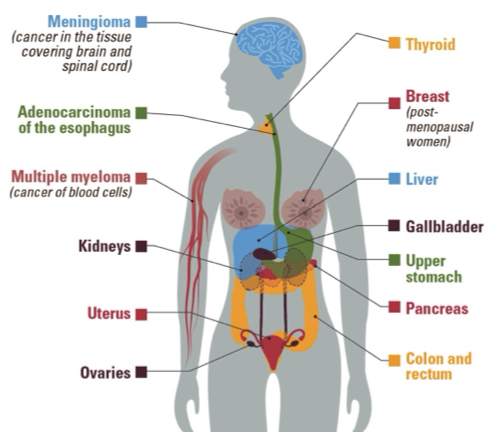
Understood through a modern pathological lens, these descriptions are not as metaphorical as they may appear. Qi stagnation correlates closely with the physiological pattern produced by chronic sympathetic dominance: impaired microcirculation, reduced tissue oxygenation, local inflammatory accumulation. Blood stasis corresponds to the pathological coagulation and fibrin deposition that has been consistently identified in the tumor microenvironment as a facilitator of tumor progression. Phlegm-Damp accumulation maps onto the metabolic syndrome cluster — visceral adiposity, hyperinsulinemia, dyslipidemia — which is now firmly established as a cancer risk modifier across multiple tumor types.
The Korean medicine practitioner identifying a patient with significant Qi and Blood stagnation is, in functional terms, identifying a patient at elevated cancer risk — not because stagnation causes cancer directly, but because the physiological conditions that produce stagnation are precisely the conditions that impair surveillance and facilitate tumor establishment.
The Most Actionable Prevention Insight
If I were to distill years of teaching oncology pathology into a single clinical principle for cancer prevention, it would be this: protect your apoptotic function.
Apoptosis — the body’s mechanism for eliminating cells that have accumulated damage beyond the threshold of reliable repair — is not passive. It requires active metabolic investment. It is suppressed by chronic cortisol, by insulin resistance, by hypoxic tissue environments, by the inflammatory mediators produced in visceral adipose tissue, and by the mitochondrial dysfunction that accumulates with sedentary lifestyle and caloric excess.
Conversely, it is supported by regular physical activity that maintains mitochondrial function and tissue oxygenation; by sleep quality sufficient to allow the nocturnal cortisol nadir that permits immune restoration; by a dietary pattern that avoids sustained hyperinsulinemia; and by the management of chronic psychological stress through whatever means proves effective for the individual.
None of these interventions specifically targets cancer. They target the metabolic environment in which cancer surveillance either functions reliably or does not. That is the level at which lifestyle-based cancer prevention actually operates — and it is a level that the “avoid specific carcinogens” model largely misses.
This article reflects the clinical observations and teaching practice of Professor Seungho Baek, Professor of Korean Medicine at Dongguk University College of Korean Medicine, specializing in Pathology and Oncology.