Top 7 Essential Rules for Colonotonia Health: Foods, Habits & Lifestyle Tips from Eight-Constitution Medicine
In Eight-Constitution Medicine (ECM), individuals of the Colonotonia constitution (commonly known as “금음체질”) are particularly sensitive to environmental, dietary, and emotional stimuli. This constitution is defined by a dominant lung (metal) and a relatively weaker liver (wood), requiring careful management of diet, lifestyle, and daily habits to maintain internal harmony. Colonotonia individuals tend to be introspective, sensitive to heat, and more vulnerable to inflammation-related issues when their delicate internal balance is disrupted. Rather than adopting a “more is better” approach, Colonotonia types benefit far more from eliminating harmful influences than from simply adding beneficial ones. In fact, restraint is one of their most powerful tools for cultivating long-term health. As always in ECM, “strong” does not mean “safe”: the dominant lung axis carries the most qi and is the part of the system most likely to tip into excess.
Top 7 Foods Colonotonia Types Should Avoid
- Red and White Meats – Beef, pork, chicken, duck, lamb, goat, venison, and egg yolks are too heating and taxing on the liver.
- Dairy Products – Milk, cheese, butter, and yogurt promote dampness and internal heat.
- Wheat-Based & Processed Foods – Ramen, bread, pasta, pastries, and all instant foods are too heavy and disruptive.
- Fats and Oils – Olive oil, sesame oil, and all fried foods overburden the liver and aggravate internal heat.
- Root Vegetables – Radish, garlic, onions, carrots, lotus root, and burdock overstimulate digestion in Colonotonia types.
- Rich Seafood and Shellfish – Eel, catfish, oysters, sea cucumbers, and shrimp are generally too rich.
- Mushrooms and Nuts – Shiitake, reishi, walnuts, peanuts, and almonds are too warming and energetically heavy.
Additional triggers: alcohol, coffee, artificial seasonings, chili peppers, pumpkin, millet, soybeans, sweet potatoes, kudzu, and yam.
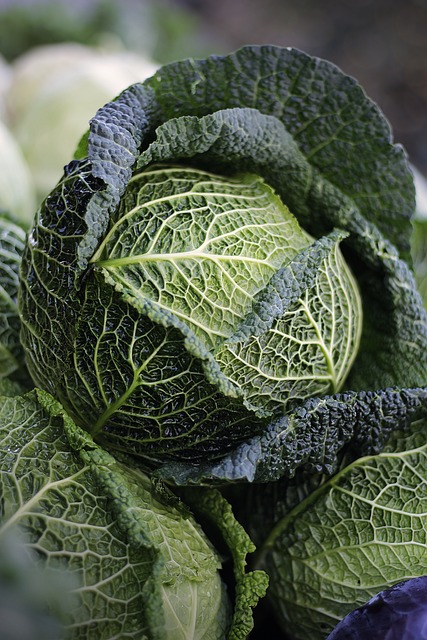
Recommended Foods for Colonotonia Health
Colonotonia-friendly foods should be cooling, light, and supportive of lung function while not overburdening the liver:
- Leafy greens: cabbage, lettuce, kale, mugwort, perilla leaves, spinach, chrysanthemum greens
- Fermented vegetables: napa cabbage kimchi and other non-spicy, plant-based ferments
- Fish: lean, blue-backed fish like mackerel, sardines, anchovies, mullet (remove visible fat)
- Seaweed: kelp, laver, and sea mustard
- Shellfish: clams, ark shell, cockles, abalone
- Fruits: green grapes, kiwi, tangerine, tomato, pineapple, cherry
- Whole grains & condiments: buckwheat, rice, mustard seed, doenjang, cocoa, cucumber, quince tea
These foods help maintain coolness and moisture while supporting digestion and detoxification.
Exercise and Lifestyle Strategies for Colonotonia
- Best practices:
- Engage in light to moderate exercise such as walking, swimming (gentle pace), tai chi, yoga, and qigong.
- Use cool-water rubdowns or alternating showers to support resilience.
- Practice controlled breathing with long exhalations (단전호흡).
- Avoid:
- High-intensity workouts, saunas, sunbathing, and overexertion that force heavy sweating.
- Emotional extremes, especially sustained anger or irritation.
Additional Precautions & Tips
- Tonic herbs and warming remedies: Strongly warming tonics such as deer antler, black goat stew, and Sipjeondaebo-tang (십전대보탕) run against this cooling-leaning constitution. Any tonic or herbal program is best matched to the constitution by a clinician rather than chosen from general tonic culture.
- In ECM tradition, the metal-dominant constitutions are described as doing better with cool, light living than with strong heating or heavy supplementation — the broader theme being that, for this type, restraint tends to serve better than stimulation.
Final Insights: Why Less Is More for Colonotonia
For Colonotonia types, wellness isn’t about supplementation or stimulation—it’s about safeguarding internal balance. The liver, being their recessive organ, cannot handle excessive stress from strong or warm foods, vigorous activity, or emotional turbulence. If you’re Colonotonia, prioritize harmony over ambition. Slow down, cool off, and nourish your constitution by choosing calm over chaos. When properly managed, this constitution is capable of exceptional mental clarity, respiratory strength, and long-term stability. Respect your rhythm, follow your food map, and let moderation be your medicine. As always, a confirmed constitutional diagnosis comes from pulse diagnosis by a trained ECM clinician, not from self-assessment against a food list.
For the original Korean text, visit here.
Related reading: The Colonotonia Constitution: Why the Large Intestine, Not the Lung, Is the Clinical Center · What Is Eight Constitution Medicine? A Beginner’s Guide
