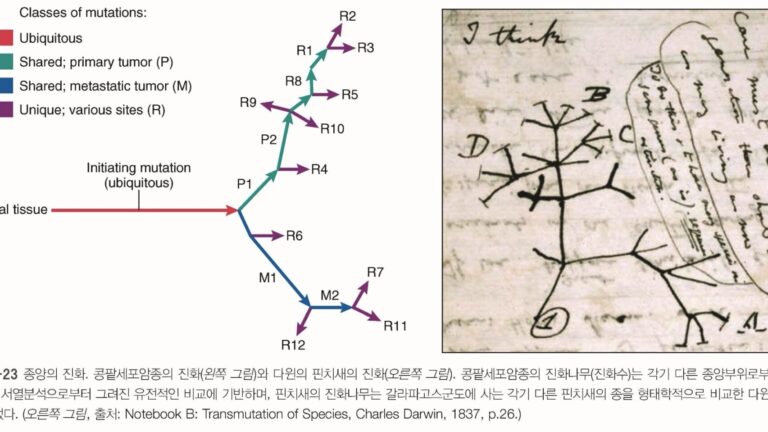
Expert Perspective: This molecular analysis is presented by Professor Seungho Baek. Prof. Baek examines the sophisticated Molecular Mechanism of Carcinogenesis, offering a bridge between cellular evolution and preventative health.
The Molecular Mechanism of Carcinogenesis is a multi-step evolutionary process characterized by the accumulation of non-lethal genetic damage. Professor Seungho Baek outlines three hallmarks: monoclonal origin with subsequent heterogeneity, environmental adaptation to evade immune surveillance, and the acquisition of metastatic potential. This “miraculous” resilience of cancer cells underscores the necessity of proactive DNA repair through rest and the avoidance of chronic carcinogen exposure.
To understand cancer at its core, one must appreciate the resilience and adaptability of life itself. Cancer is not a sudden failure but a prolonged, multi-step process of cellular evolution. As Professor Seungho Baek, I view the Molecular Mechanism of Carcinogenesis as a series of sophisticated adaptations that allow cells to survive under hostile conditions.
1. The Accumulation of Non-lethal Genetic Damage
The foundation of carcinogenesis lies in mutations that do not kill the cell. Lethal mutations result in cell death, but non-lethal damage accumulates over decades. These mutations primarily target genes that regulate cell cycle progression, DNA repair, and apoptosis (programmed cell death).
[Image of the multi-step process of carcinogenesis]
A tumor typically originates from the clonal expansion of a single precursor cell. However, by the time it is clinically detectable, it has become highly heterogeneous. This diversity allows the tumor to resist various treatments, as different sub-clones adapt to overcome growth barriers.
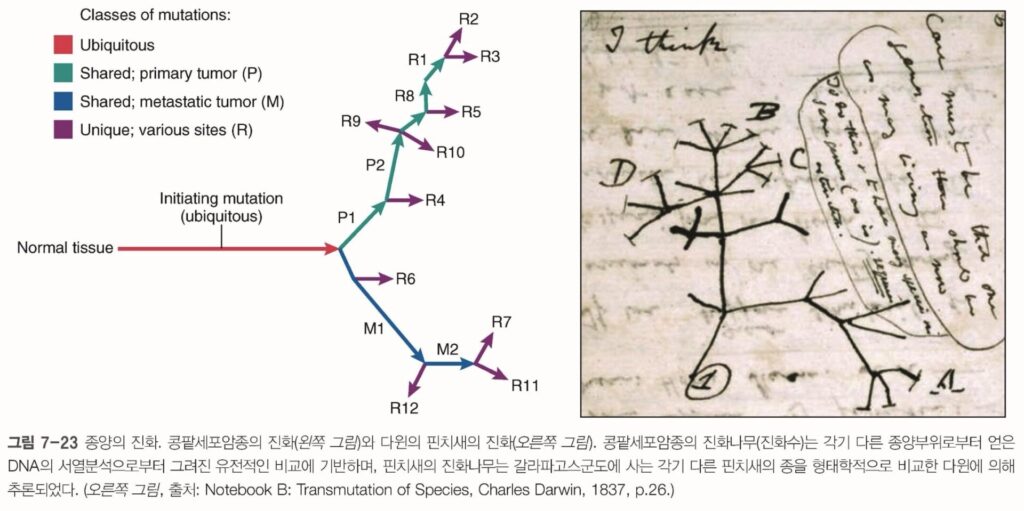
Carcinogenesis involves a complex interplay of genetic and phenotypic changes.
2. Adaptation and Unrestricted Growth
To thrive, cancer cells must evade the body’s natural defense mechanisms. This includes the immune system’s “search and destroy” missions and internal regulatory checkpoints. Through a combination of further genetic mutations and epigenetic changes, cancer cells essentially “hack” their environment.
“Professor Seungho Baek Insight: In the Molecular Mechanism of Carcinogenesis, cancer cells demonstrate a miraculous ability to thrive in low-oxygen and nutrient-poor environments. They are the ultimate survivors, evolving to ignore the biological laws that govern normal tissue.”
3. Invasion and Metastasis: Breaking Biological Barriers
The final and most lethal hallmark of the Molecular Mechanism of Carcinogenesis is metastasis. This involves cancer cells detaching from the primary site, navigating the bloodstream or lymphatic system, and colonizing distant organs. This process requires overcoming extreme physical and chemical obstacles, showcasing the extraordinary resilience of these evolved cells.
4. DNA Repair and the Biology of Belief
Linking this to The Biology of Belief, we recognize that our lifestyle and perception signal our cells to either enter a state of “repair and growth” or “survival and protection.” Chronic exposure to carcinogens is the signal for survivalist mutations. Conversely, consistent rest and a healthy mental environment provide the necessary window for DNA repair mechanisms to function, potentially reversing or stopping genetic damage before it becomes irreversible.
5. Conclusion: Prevention as a Biological Strategy
While we may not control all genetic factors, the Molecular Mechanism of Carcinogenesis reveals several modifiable triggers. As Professor Seungho Baek, I recommend focusing on:
- Early Carcinogen Avoidance: Minimizing cumulative exposure from a young age.
- Restorative Rest: Prioritizing sleep to maximize the body’s natural DNA repair enzymes.
- Metabolic Health: Maintaining a cellular environment that does not favor rapid, anaerobic growth.
By understanding the molecular details, we move from a state of fear to a state of mindful prevention, giving our bodies the tools to maintain cellular integrity throughout life.
